research, wire-framing, visual designs. prototype, user test
figma, protopie, photoshop
1 month(Sept- Nov 2023)
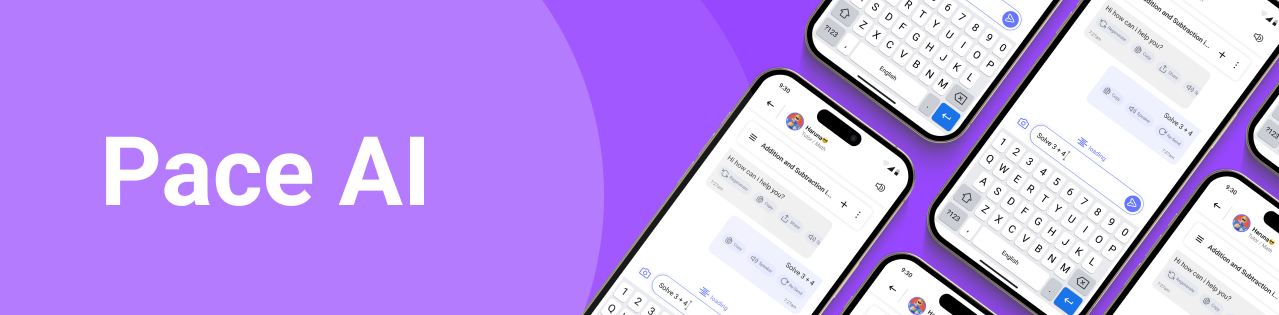
Is an assistive app that empowers users with different learning disability to create a customized AI bot tailored to their learning pace and needs that help and assisting the users in achieving their academic goals.


In our current evolving world, cutting-edge technology is rapidly transforming things once thought impossible, from engaging in conversations with our phones to fully automated systems that many people take advantage of. However, a crucial question arises: How can we ensure that this technology is inclusive, accessible, and beneficial for people with disabilities and beyond? Inspired by Habiba’s ( my sister) academic struggles, my team and I have chosen to leverage technology and innovation to create diverse and accessible solutions that benefit her and others with learning disabilities and beyond.
Despite teachers' dedicated efforts in instructing and supporting students in school, some student encounter challenges understanding specific subjects or topics. This struggle often results in poor academic performance and contributing to feelings of insecurity about their abilities.
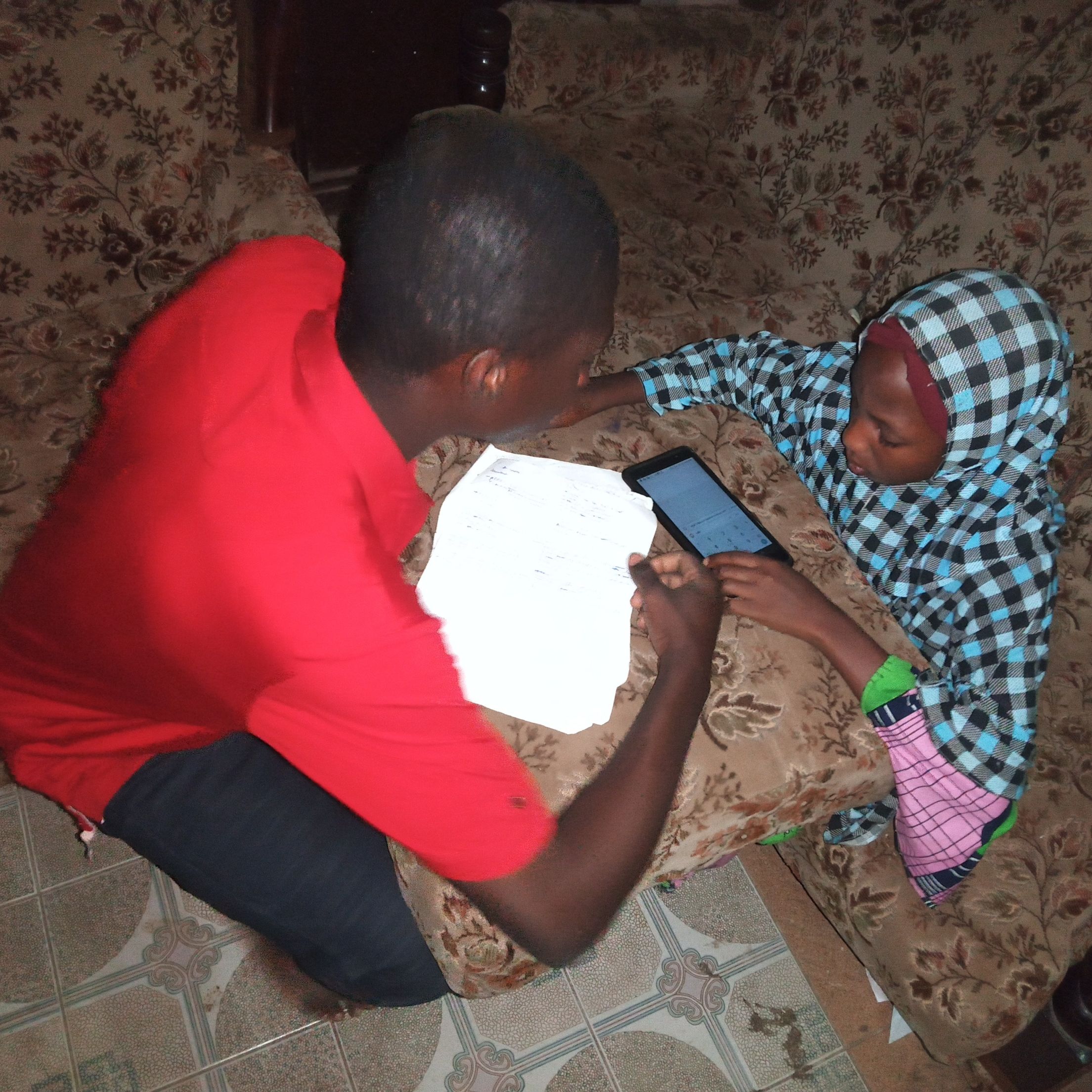
due to budget constraints we conducted one interview( with my sister who also encounters similar challenges) and leverage secondary research to gain more understand of the problem, challenges and current solutions

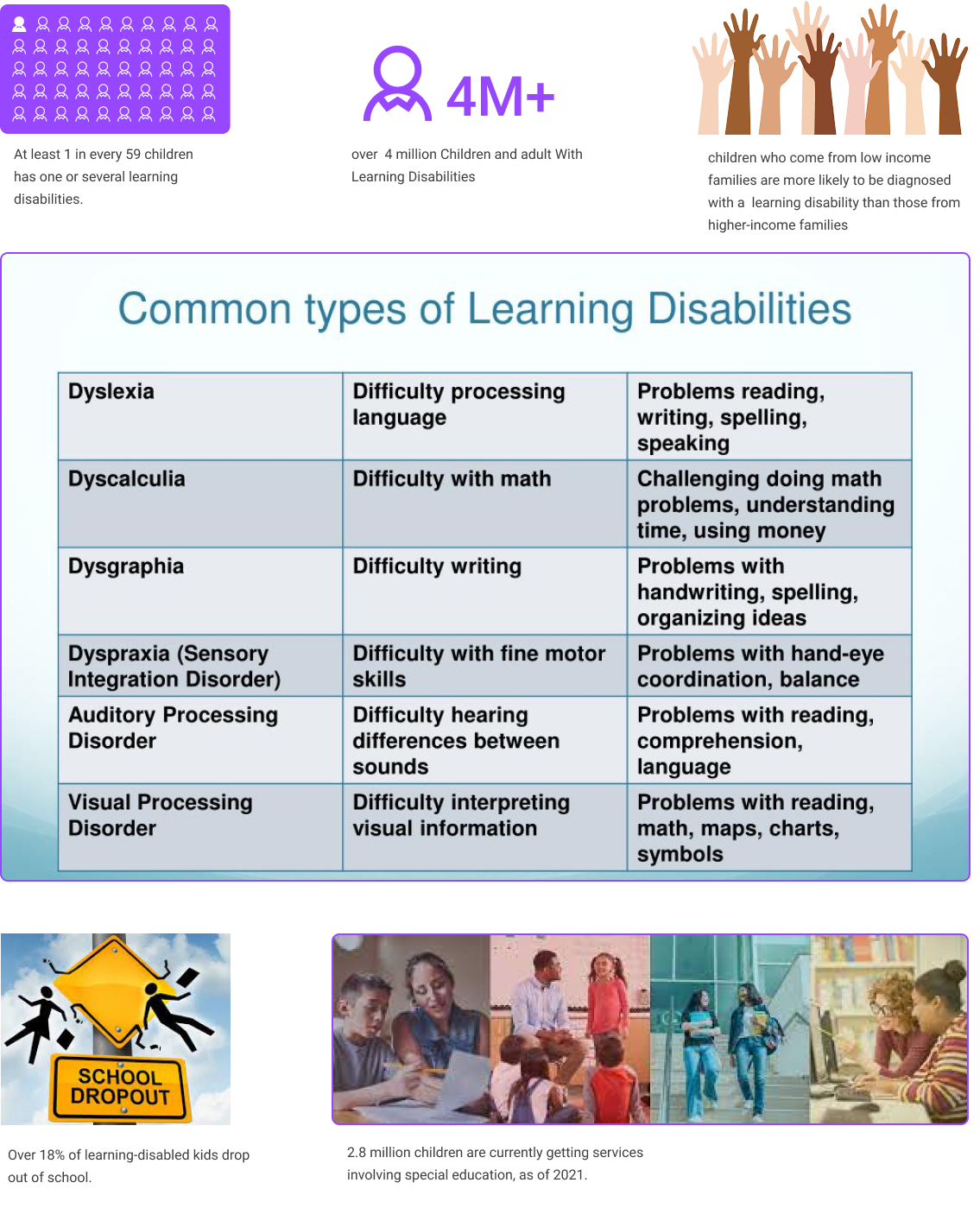
based on our data we come to understand and empathize with the challenges many individuals with learning disabilities face throughout their lives.
Moving forward, our team has set a goal to utilize technology and innovation to create solutions that benefit all individuals with learning disabilities, with a specific emphasis on those facing fewer privileges. We believe that by addressing the needs of individuals with less privilege, our solutions will inherently extend benefits to a wider audience, fostering inclusivity and accessibility for all.
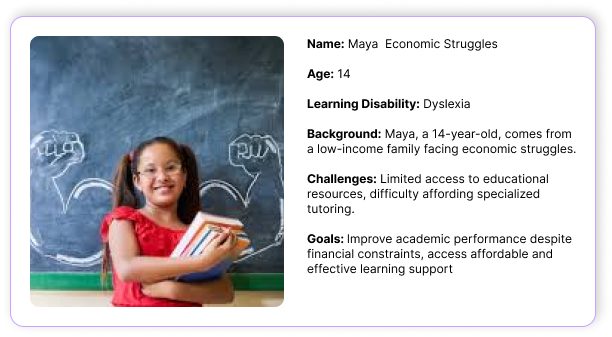
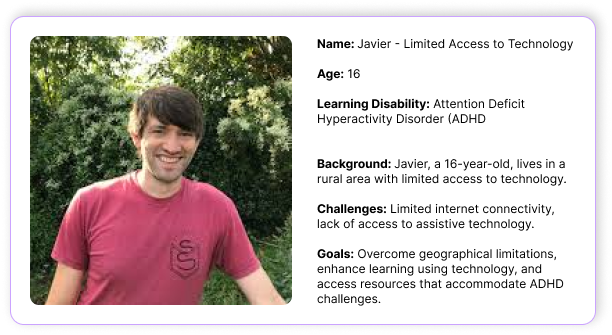

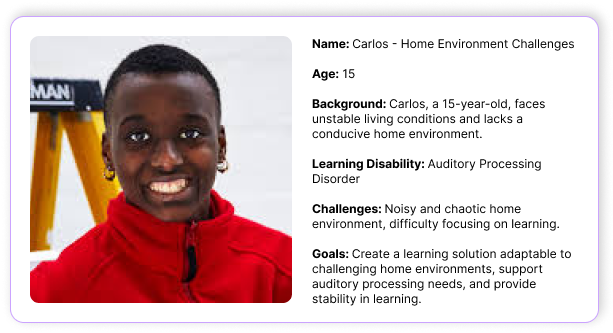
While ideating, we strive to generate ideas that focus on our persona and findings. Additionally, we aim to consider feasibility, innovative accessibility, inclusiveness, and intuitiveness.
Promotes creative thinking and the exploration of new, groundbreaking ideas that stand out, incorporate cutting-edge technologies, and potentially disrupt existing norms
Focuses on making the user experience straightforward and easy to understand, to make the solution more user-friendly and enhancing overall usability.
Addresses the needs of users with diverse abilities, ensuring that the solution can be used by a wide range of individuals.
Ensures that the ideas are practical and realistic to implement to create an MVP within given constraints, such as budget, technology, and time. This helps in creating sustainable and achievable solutions.
considers the diversity of users. including different cultural backgrounds, languages and perspectives
We explored competitor app to understand their approach and conducted usability test to identify gaps and edge cases
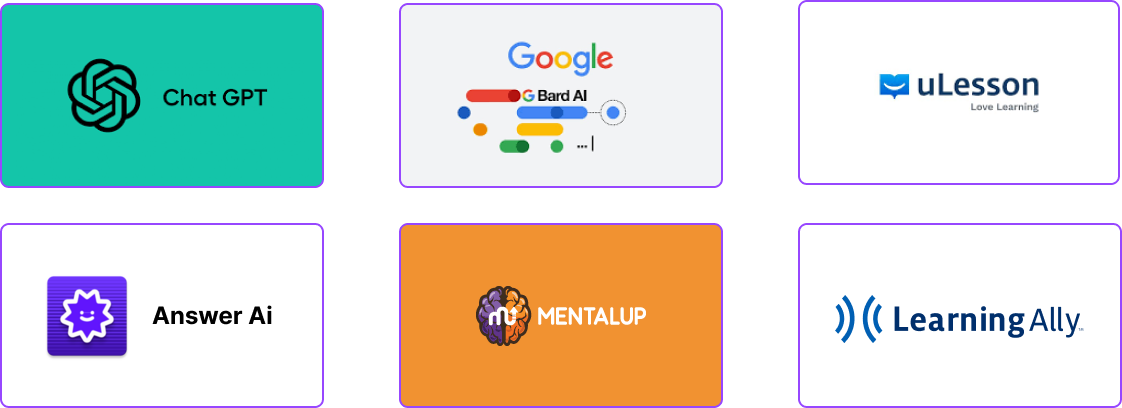
During our competitor research, we identified many solutions that could help our users. However, we also believe that there could be gaps for improvement. Therefore, we conducted usability tests on our competitors' apps with end users to uncover some edge cases users might encounter during the process. This way, we can address them in our solutions.
Users express a desire to customize app responses based on specific needs.
Users perceive app solutions as more accessible than web alternatives.
Users find it challenging to choose from different available options.
Most apps exhibit similarities in their features and functionalities.
Many apps are designed to address specific pain points which make users to have may app in their devices.
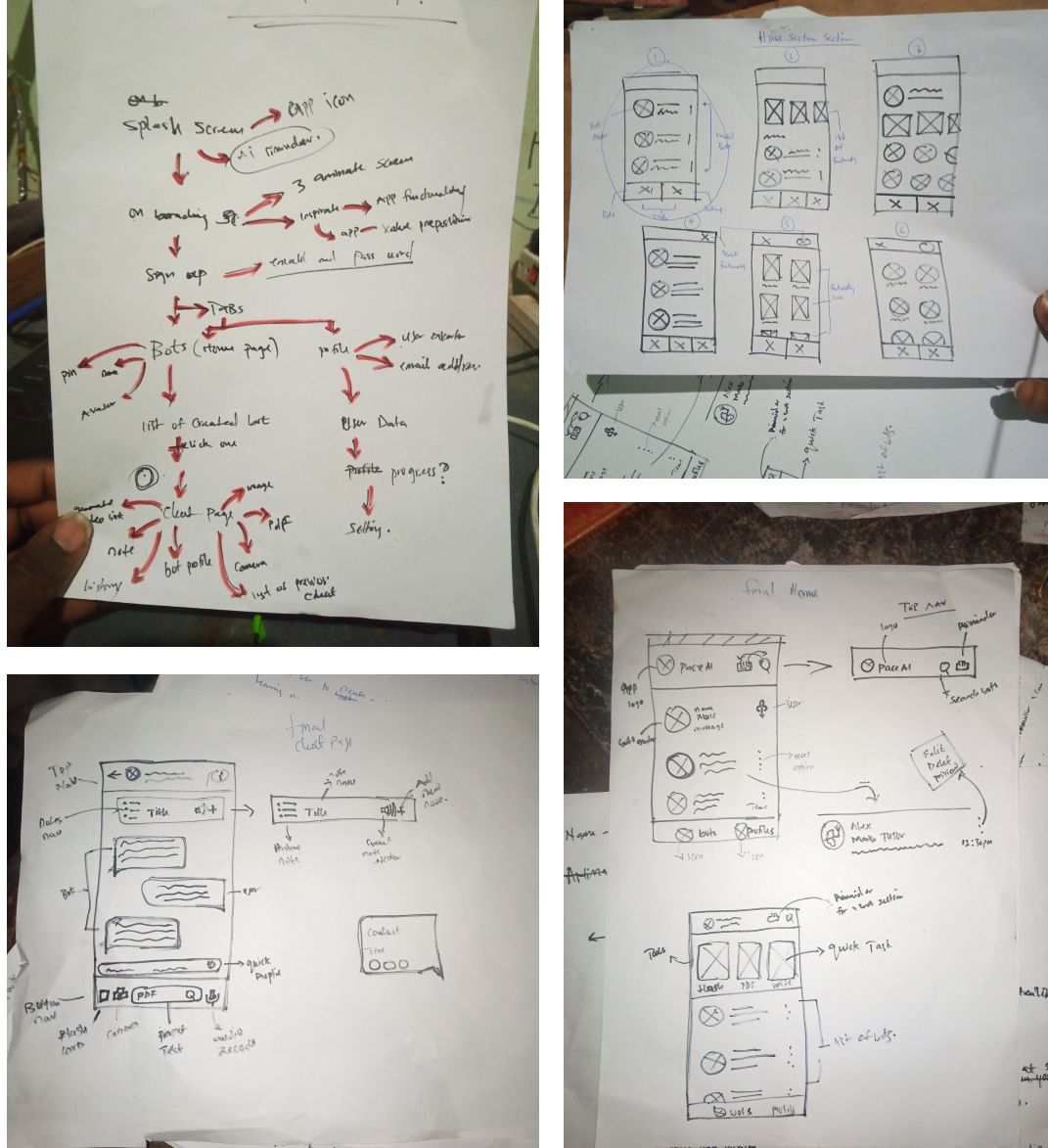
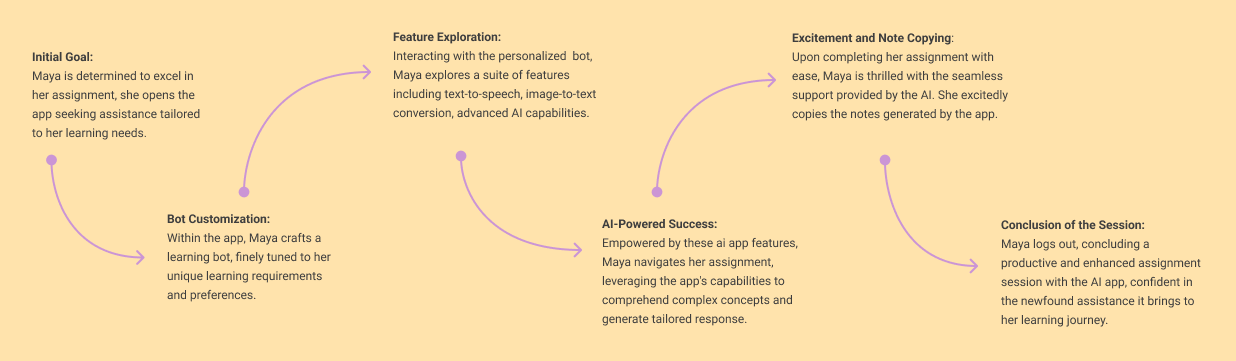


%201.png)
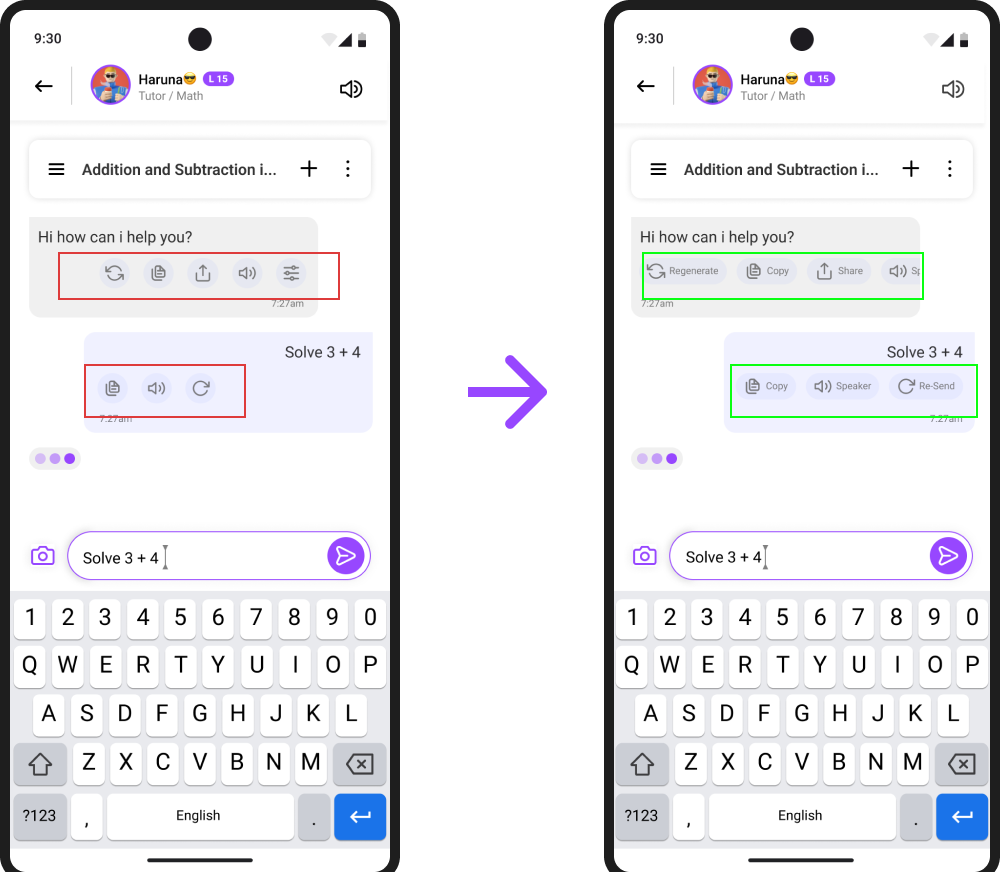
We tested the prototype to ensure it meets end users' needs and Through usability testing, we identified areas of improvement and iterated on the designs. including
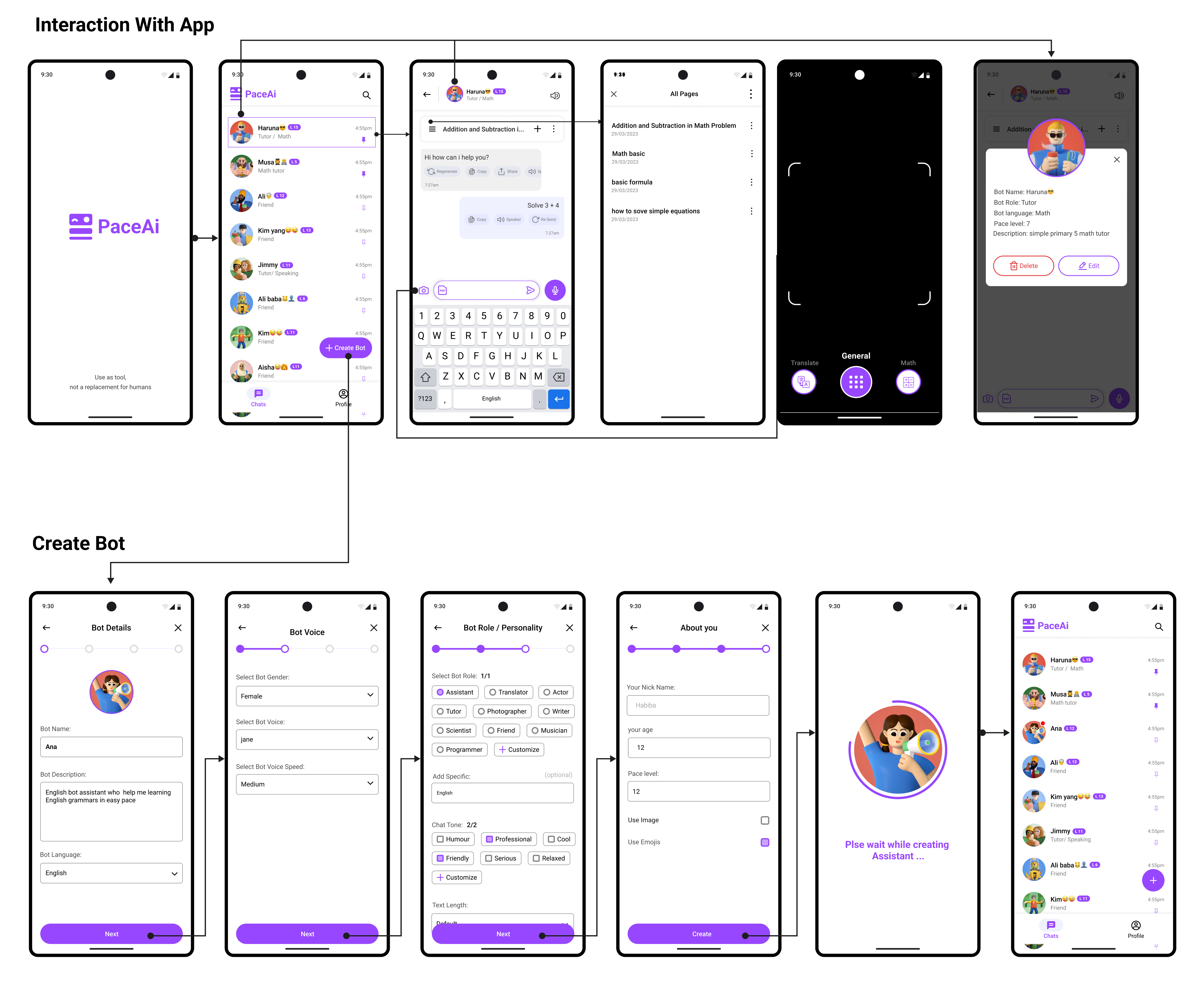
After going through the design process and understanding, our final solution is an assistive tool app that empowers users with different learning disability backgrounds to create a customized AI bot tailored to their learning pace and needs that help and assisting the users in achieving their academic goals.

As the app progresses through the development phase, I am actively collaborating with our developer, providing the team with design assets and specifications. Regular communication is maintained to address obstacles and ensure a seamless and coherent design implementation into a functioning product.
Throughout this collaborative project, I navigated the diverse perspectives of my team, learning to appreciate the richness that different backgrounds bring to problem-solving. A standout realization was the importance of acknowledging biases; my assumptions initially shaped some decisions, but the team's input and research data helped me recognize and mitigate them.
One significant lesson learned was the importance of considering business goals alongside user needs. Although our primary focus was on aiding those with learning disabilities, we realized that understanding and aligning with business objectives are crucial for a balanced approach. This awareness will serve as a guiding principle for our future iterations.